November 28, 2026
What a Urodynamic Test Measures
By Dr. Nathan L. Guerette MD
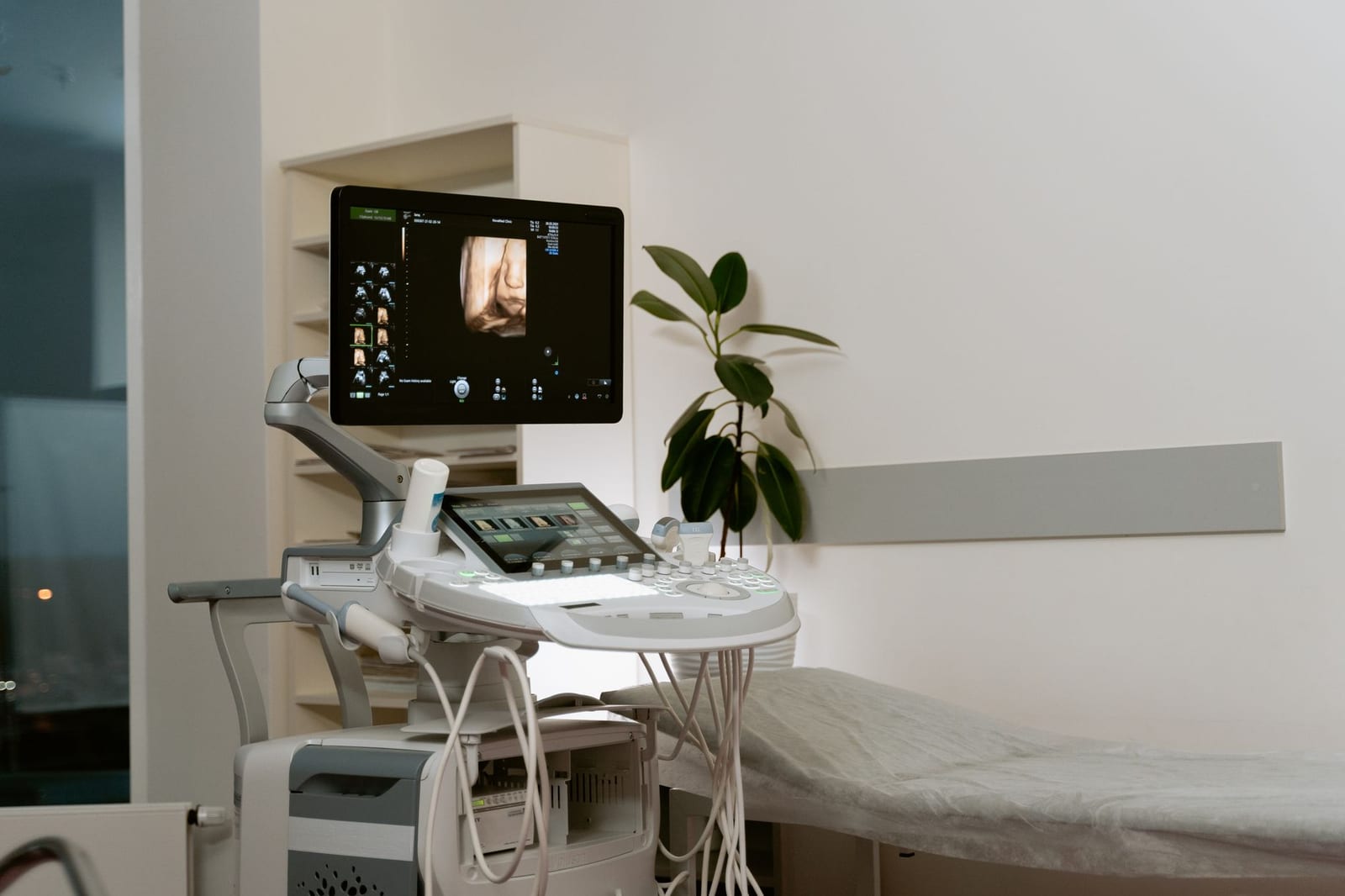
The Test Nobody Looks Forward To
A patient is lying on an exam table with a small catheter in place, and I ask her to cough. Then to bear down. Then to tell me the moment she first feels the urge to urinate. It feels strange and a little awkward for most people the first time. But this test, called urodynamic testing, gives me information that an exam or a history alone cannot.
I want to walk through what actually happens during this test and why each step matters, because patients tend to relax once they understand the logic behind it.
Filling the Bladder on a Schedule
The core of the test is simple: we fill the bladder with sterile fluid through a thin catheter, at a controlled rate, while a second small catheter (sometimes placed in the vagina or rectum) measures abdominal pressure at the same time. A pressure sensor tracks what is happening inside the bladder itself as it fills.
Why both pressures at once? Because bladder pressure alone is misleading. If a patient coughs or shifts position, pressure inside the bladder rises for reasons that have nothing to do with the bladder muscle itself. By subtracting abdominal pressure from total bladder pressure, I get a cleaner number: the pressure generated by the bladder muscle, or detrusor, alone. That number tells me whether the bladder is contracting when it shouldn't, or failing to contract when it should.
What the Pressure Readings Show
As the bladder fills, I'm watching for a few specific things. First, at what volume does the patient feel the first sensation of fullness, and at what volume does it become urgent? A bladder that signals urgency at a very low volume suggests overactivity. One that accepts a large volume without much sensation suggests a different problem, sometimes related to nerve signaling or to the bladder wall itself.
Second, does the detrusor muscle stay relaxed and quiet during filling, or does it contract on its own before the patient tells us she's ready to void? An involuntary contraction during filling is one of the clearest signs of an overactive bladder, and it shows up on the tracing as a clean spike I can point to and explain.
Why I Ask You to Cough, Strain, and Stand
Partway through filling, I ask the patient to cough hard, then to bear down the way she would during a bowel movement, first lying down and then standing. This part of the test is built to provoke leakage under controlled conditions, so I can see exactly what triggers it and how much pressure it takes.
If leakage happens with a cough but there's no detrusor contraction on the tracing, that points toward stress incontinence: the urethra isn't holding against a sudden rise in abdominal pressure. The pressure at which leakage starts, called the leak point pressure, helps me judge how weak that closure mechanism is and whether a sling or other surgical option is likely to help.
If leakage happens on its own, without any cough or strain, tied to a detrusor contraction instead, that's a different mechanism entirely, and it changes the treatment conversation completely. Medication and bladder retraining move to the front of the line instead of surgery.
Reading the Results Together
Once the bladder is full and the patient tells us she needs to void, we ask her to go ahead and urinate on the table, while the equipment measures flow rate and how much pressure it takes to get the stream started. A slow flow paired with high pressure can point toward an obstruction. A slow flow with low pressure can point toward a bladder that isn't contracting well on its own.
I go over the tracing with the patient afterward, pointing to the specific moments: here's where you felt the first urge, here's the spike from the cough, here's where leakage started. Seeing the actual data, rather than just hearing a diagnosis, tends to make the next decision easier for people to sit with.
What This Test Changes About the Plan
Urodynamic testing isn't needed for every bladder complaint. Plenty of straightforward cases don't require it. But when the history is mixed, when a prior surgery didn't fully resolve symptoms, or when a patient is weighing a procedure with real tradeoffs, this test replaces a guess with a measurement. That's the difference it's built to make.