November 4, 2026
Why One Pelvic Symptom Is Rarely the Whole Story
By Dr. Nathan L. Guerette MD
One Complaint, Several Causes
Say a woman comes in because she leaks urine when she sneezes or laughs. That is the complaint she wrote on the intake form, and it is the one she expects to talk about. But when I start asking questions, I often find she also feels a dragging pressure by the end of the day, or she has started avoiding certain positions during sex because they feel different than they used to, or she strains more than she used to during a bowel movement.
She did not mention any of that on the form. Not because she was hiding it, but because she filed it under something else entirely: getting older, having had kids, being tired. She never connected it to the leakage.
This is the real difficulty I run into more than almost anything else: patients, and sometimes the clinicians who see them first, treat one pelvic floor symptom as if it exists on its own. It rarely does.
The Pelvic Floor Does Not Work in Isolated Pieces
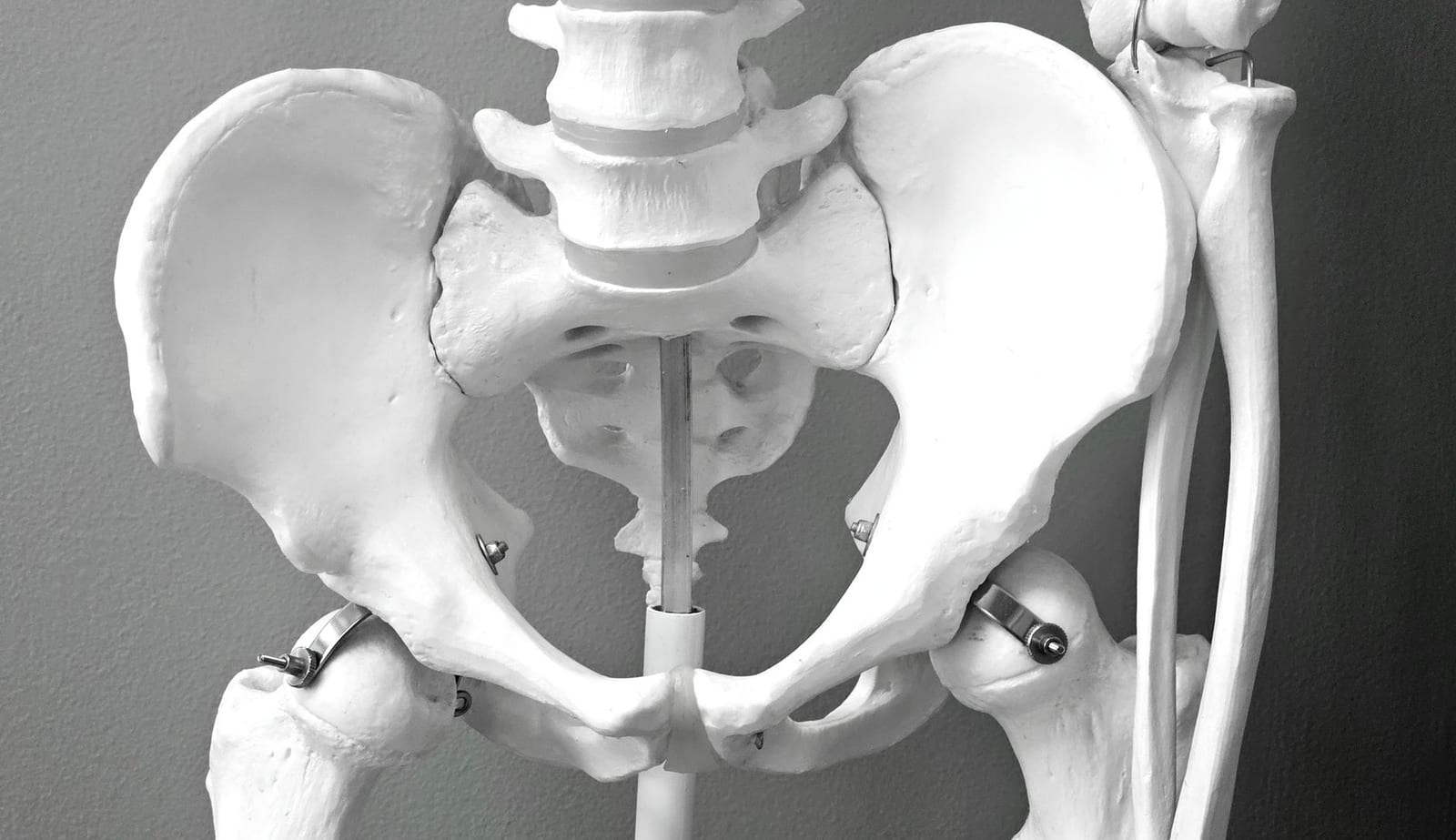
The pelvic floor is a single sheet of muscle and connective tissue that supports the bladder, the uterus, the rectum, and everything around them. When one part of that system weakens or stretches, the effect usually isn't confined to one organ.
A woman with a mild prolapse of the bladder wall can also have stress incontinence, because the same loss of support that let the bladder drop is also letting it shift during coughing or exercise. A woman with pelvic pain during intercourse often has pelvic floor muscles that are too tight, which can also cause incomplete bladder emptying and a nagging urge to go again minutes later. These are not separate problems that happen to show up at once. They come from a shared mechanical cause.
If I treat only the symptom a patient mentions first, I can miss the thing actually driving it.
How I Reason Through a Case Like This
When I evaluate someone, I am not just asking "what is wrong with the bladder" or "what is wrong with the rectum." I am asking what is happening to the support structure as a whole, and which symptoms are downstream of that.
That means I ask about urinary symptoms, bowel symptoms, and sexual symptoms in the same visit, even if the patient only came in for one of them. I ask about pressure, not just leakage. I ask about bowel straining, not just urgency. Patients are sometimes surprised by the questions, because they assumed a bladder problem meant a conversation about the bladder and nothing else.
It usually takes a few extra minutes. What it buys is a much clearer picture of where the actual weakness or dysfunction sits, instead of a plan built around the one symptom that happened to be loud enough to bring her into the office.
What Gets Missed When This Step Is Skipped
I have seen women treated for stress incontinence with a procedure that worked exactly as intended, and yet they were still unhappy, because the pressure and the sexual discomfort that bothered them just as much were never addressed. Technically, the treatment succeeded. It just answered the wrong question, or only part of the right one.
This is also why a single medication, a single exercise, or a single procedure aimed at one symptom can underperform even when it is the correct treatment for that symptom. It was never going to fix a problem it wasn't designed to touch.
What I Tell Patients Early On
I tell patients, early in the first visit, that I am going to ask about things that may not seem related to why they came in. Not because I suspect something is wrong with every system, but because the pelvic floor rarely sends a problem through only one channel.
If a patient only reports what feels like the main issue, and I only treat that, we both walk away thinking the visit went well. Then three months later she is back, frustrated that the leakage improved but the pressure never did, or that the surgery helped support but the pain during intimacy is unchanged. That gap is avoidable. It just requires asking the fuller set of questions the first time, instead of taking the first complaint as the whole story.